

Guitar, Bass, or Ukulele? How to Choose Your First Instrument
"Should I start on guitar, bass, or ukulele?" is one of the questions we get asked more than almost any other, from parents standing in front of a wall of instruments, and from adults finally chasing a lifelong dream. All three are portable, affordable compared to piano, and can take you from your first chord to your first gig. But they are not interchangeable, and the "easiest" choice for week one isn't always the best choice for year three. This guide breaks down the real differences so you (or your child) can start on the instrument you'll actually stick with.
Quick Answer: Guitar vs Ukulele vs Bass at a Glance
Ukulele is the gentlest entry point: four nylon strings, simple chord shapes, and the fastest route to playing a recognisable song. Best for young children and anyone who wants low-pressure, quick wins.
Guitar has a steeper first month but the widest musical payoff: six strings, thousands of songs, and every genre from folk to metal. Best for ages 6–7 and up, teens, and adults with a clear "I want to play *that* song" goal.
Bass guitar sits between the two in feel but plays a completely different role: fewer notes at once, thicker strings, and a focus on rhythm over chords. Best for people drawn to groove, low end, and playing in a band.
Ukulele: The Friendliest Way In

The ukulele has genuinely earned its reputation as the most welcoming stringed instrument for a first-timer.
Best For
Younger children (roughly 3–6 years old) whose hands aren't yet ready for a full-size guitar neck, and anyone — of any age — who wants an instrument they can pick up casually and enjoy without a big time investment.
Why It Feels Easier
Nylon strings are soft under the fingertips, so there's no painful "building calluses" phase.
Only four strings, spaced further apart on a shorter neck, which is far more manageable for small hands.
Simpler chord shapes mean most students can strum a full song within their first few lessons :a huge motivation boost.
The Trade-Off
A ukulele has a smaller range of tone and fewer players' worth of repertoire built around it. Many students treat it as a joyful destination in its own right; others use it as a stepping stone before moving on to full guitar once their hands and focus have grown.
Guitar: The Most Versatile Long-Term Choice

Ask any working musician what instrument to learn if you could only learn one, and guitar comes up more than any other.
Best For:
Students aged 7 and up, and it's a hugely popular starting instrument for teens and adults. especially anyone who wants to sing while they play, write songs, or eventually join a band.
What Makes the First Month Tricky
Guitar has six strings instead of four, steel strings on most acoustic and electric models, and chord shapes that ask more of your fretting hand from day one. Most beginners go through a few weeks of tender fingertips before calluses build up — completely normal, and not a sign you've picked the "wrong" instrument.
Why It's Worth Pushing Through
Once past that first stretch, guitar opens the door to more genres, more songs, and more ways to play (acoustic, electric, fingerstyle, lead, rhythm) than almost any other instrument. A good teacher — and the right size and setup of guitar for your hands — makes that first month far gentler than trying to muddle through alone.
Bass Guitar: The Instrument That Holds the Band Together
Bass gets overlooked as a "starter" instrument, but for the right student it's an excellent — and often faster — way into confident playing.
Best For
Students who are drawn to rhythm and groove over melody, and anyone who'd love to be band-ready sooner rather than later. It particularly suits students who found six-string chords frustrating but love the physical, rhythmic side of playing.
Why Beginners Progress Fast
Bass parts are mostly **single notes rather than chords**, the frets are wider and easier to land accurately, and there's usually no chord-shape memorising required to play a convincing bassline. Many bass students are playing along to real songs within their very first lessons.
What It Asks of You Later
The flip side: a band can survive an average guitarist, but rarely a shaky bassist. Bass carries the rhythmic foundation of a group, so as students progress, timing, groove and listening skills become just as important as anything played on guitar. It's an easier instrument to *start*, not necessarily an easier one to master.

What Age Should You (or Your Child) Start?
Adults: There is no upper age limit on any of the three. Adult students often progress *faster* than younger beginners because they can practice with focus and follow more detailed instruction from the very first lesson.
From around 3–6 years old, thanks to its small size and gentle strings.
Most teachers point to around 6–7 years old as the sweet spot, once a child can comfortably hold a small-scale guitar, press down the strings, and focus for a full lesson.
Typically from around 8–10 years old and up, once hands and forearm strength catch up with a longer-scale neck.
Guitar vs Ukulele vs Bass: Side-by-Side
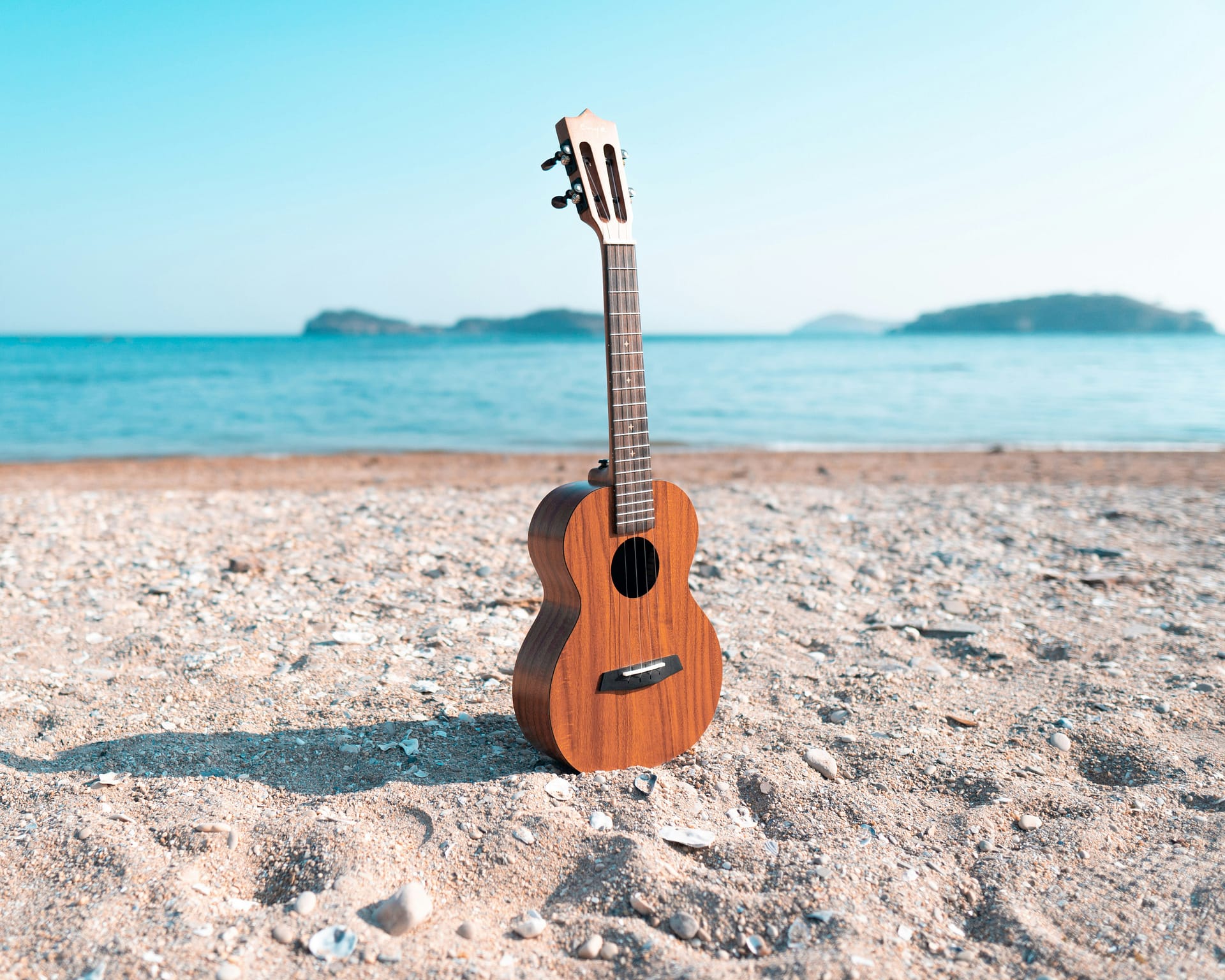
Ukulele
Strings: 4, Nylon
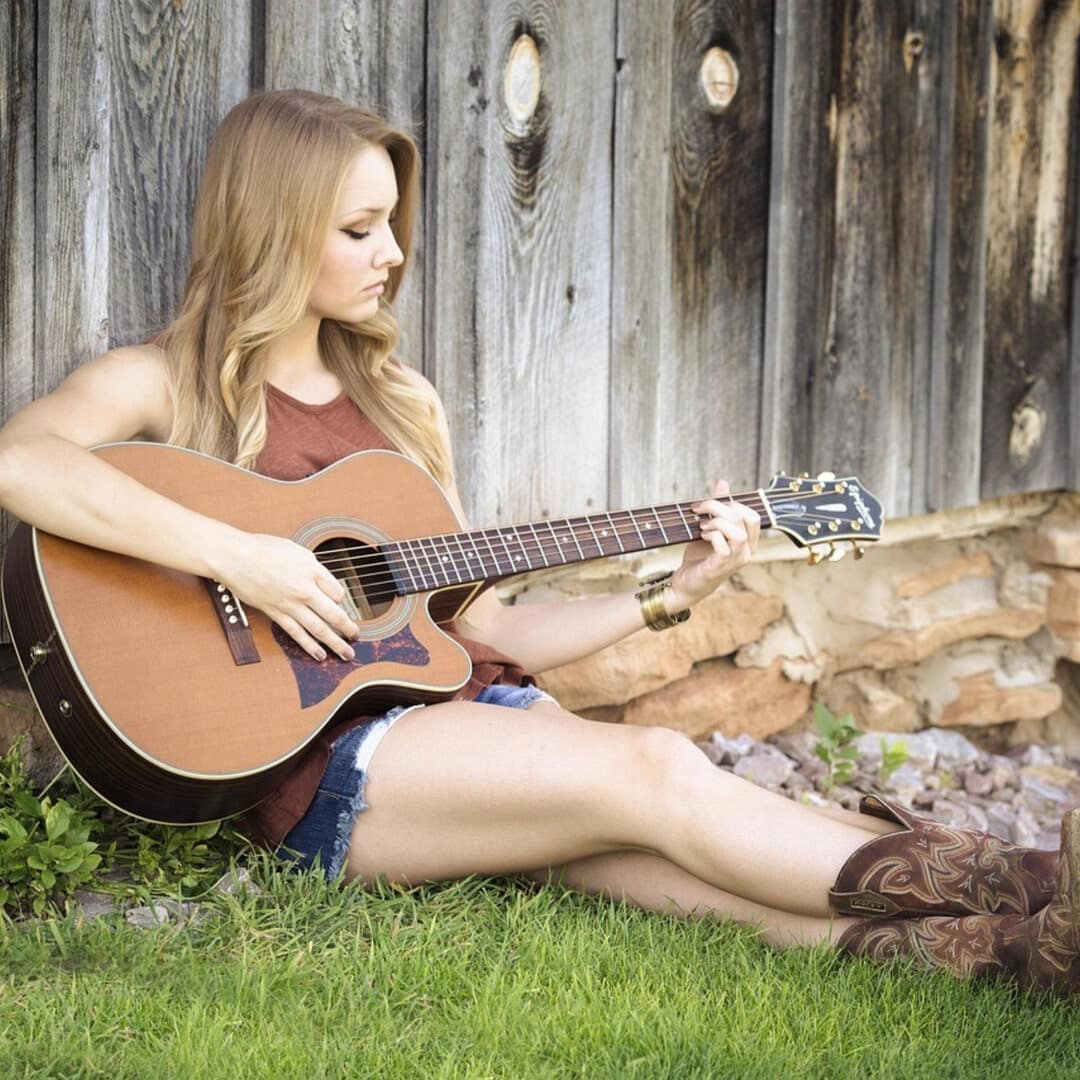
Guitar
Strings: 6, Steel (Acoustic + Electric)
6, Nylon (Classical)

Bass Guitar
Strings: 4, thick Steel
IMPORTANT NOTE ABOUT PRICE
How to Decide: Questions to Ask
What music do you actually want to play?
If you can picture yourself strumming and singing your favourite songs
GUITAR
If you want to lock in with a drummer and feel the low end
BASS
If you just want something fun and low-pressure
UKULELE
How big / ready are the hands doing the playing?
Small hands or a very young child
UKULELE
Medium Hands, Above 6 Years Old
GUITAR
Adult or Teenager, Strong Hands
BASS
There's no wrong answer here, and it's genuinely common for students to move between all three over the years. Also, be aware that small half-size guitars exist and are also an option, as are left-handed guitars.
Why One-on-One Lessons Make the Difference
Whichever instrument you choose, the biggest factor in whether it sticks isn't the instrument at all, it's the guidance. A good teacher will:
- 1Fit the instrument to the student, not the other way around: right size, right string gauge, right setup, so those first weeks are as comfortable as possible.
- 2Correct hand position and posture early, before bad habits (and unnecessary finger or wrist pain) have a chance to form.
- 3Build a practice plan around real goals: a specific song, a school talent show, a band audition ,so practice always feels purposeful.
- 4Keep motivation alive through the inevitable plateaus that come with any instrument, guitar and bass especially.
FAQ: Your Guitar, Bass & Ukulele Questions Answered
Yes, especially in the first few weeks. Its nylon strings are gentler on fingertips, it only has four strings, and its chord shapes are simpler which is why it's such a popular first instrument for young children. Guitar has a steeper start but a much wider musical range once you're past it.
In the early stages, generally yes. Bass parts are mostly single notes rather than full chords, and the wider frets make it easier to land notes accurately. That said, bass demands strong rhythm and timing as you progress, since it holds the group together.
Most teachers recommend around 6–7 years old, once a child can comfortably hold a small-scale guitar and focus through a lesson. Younger children often do well starting on ukulele first and moving to guitar when their hands and attention span have grown.
Absolutely — there's no upper age limit on any of the three. Adult beginners often progress quickly because they can practise with focus and take on more detailed instruction from lesson one.
Most students build up enough fingertip toughness (calluses) within a few weeks of regular practice. It's a normal, temporary part of learning a steel-string instrument — ukulele players skip this stage entirely thanks to nylon strings.
Ready to Start?
Guitar, bass, and ukulele are all waiting for you at Elyssa Vulpes Music & Music Tuition. Whether you're choosing your child's first instrument or picking up your own dream of playing in a band, our instructors will help you find the right fit and the right teacher to guide you there.Ready to stop wondering and start playing? Contact us today to book your first guitar, bass, or ukulele lesson in Wellington.